The 2026 Energy Transition Conference was successfully held on November 7-8 at Future Science City in Changping District, Beijing. With the theme “Intelligently Enabling New Energy, Moving Greenward,” the conference focused on accelerating the development of a clean, low-carbon, safe, and efficient new energy system. It brought together authoritative voices from government, industry, academia, and research institutions to discuss key issues in energy transition, promote industrial chain integration into the new energy development paradigm, and support building a strong energy nation.
[配图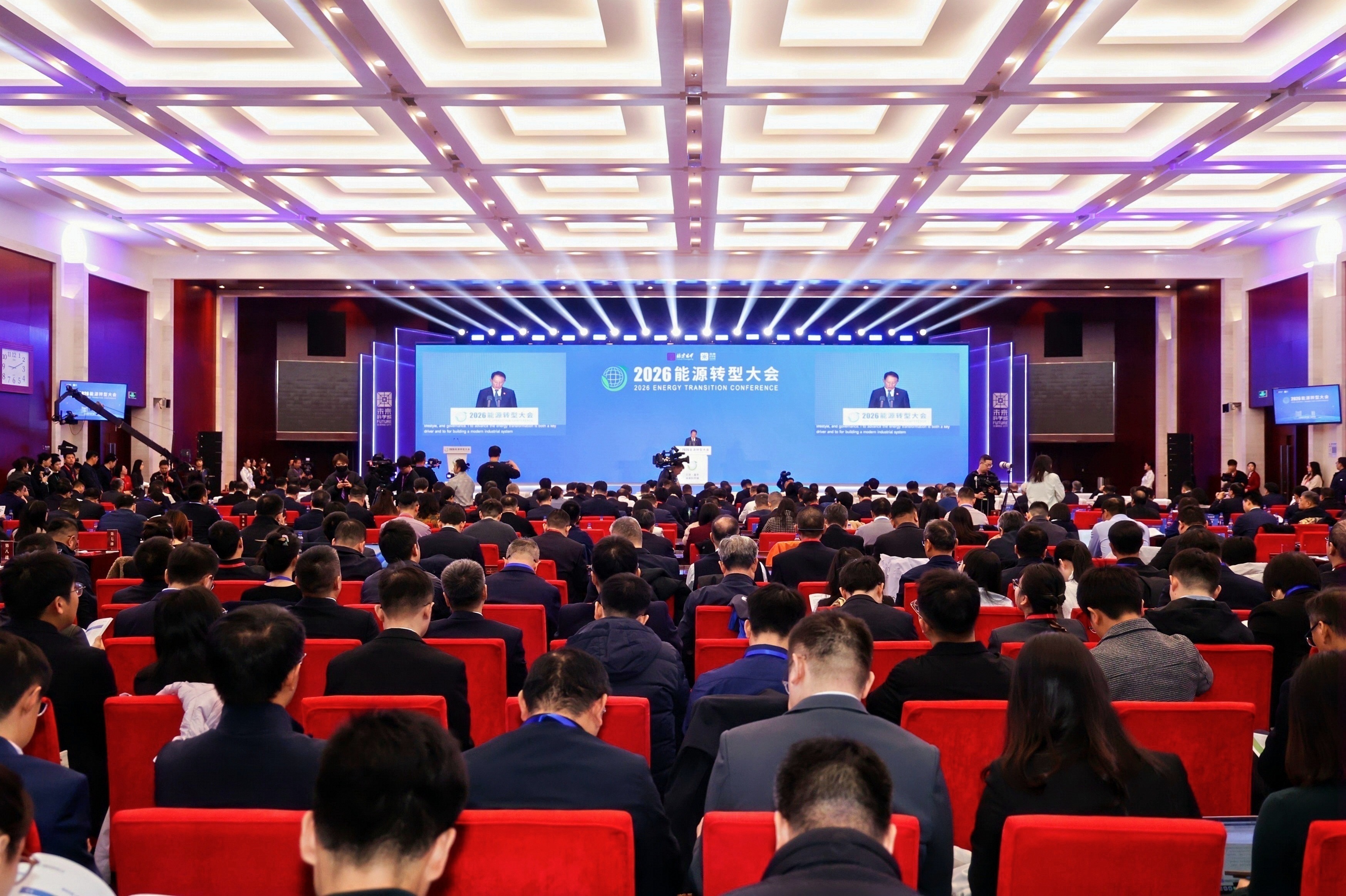
The conference featured an opening ceremony and plenary session, eight special theme sessions, and one research exchange meeting. Outcomes included the release of the “Global Energy Transition Report (2026),” major scientific and technological innovation achievements of central enterprises participating in Future Science City construction in 2026, and Tsinghua University’s “Energy Brain” programme, generating a set of strategically valuable consensus outcomes.
The conference presented stage-based assessments and core principles for energy transition. China’s energy transition has moved beyond the foundational, scale-expansion phase into a new stage emphasising quality, efficiency, and security. Transition is far more than simple fuel substitution — it is a systemic, profound transformation covering production methods, lifestyles, and governance approaches. The core challenge is balancing development with security, and current needs with long-term goals, forging a transition pathway suited to China’s national conditions and aligned with global trends.
The conference showcased practical initiatives and phased achievements from multiple stakeholders. State-owned central enterprises, as the backbone of energy supply assurance and green transition, reduced energy consumption intensity by 15.8% and carbon emission intensity by 18.2% during the 14th Five-Year Plan period. By September this year, wind and solar power grid-connected installed capacity reached 1.03 billion kilowatts, up 18.7% year-on-year. The sector has achieved a series of world-class scientific and technological innovations in clean coal utilisation, ultra-high-voltage transmission, and advanced nuclear energy.
The conference identified technical breakthrough priorities and industry transformation pathways in key energy sectors. Traditional energy industries such as petrochemicals, coal, and power should pursue differentiated deep decarbonisation routes. The petrochemical sector’s core transformation strategy centres on green electricity-green hydrogen coupled refining, hydrogen-based fuels, CCUS technology, and deep geothermal synergy. The nuclear industry relies on a three-step strategy of “thermal reactor — fast reactor — fusion reactor” to expand clean energy supply. Energy central enterprises leverage integrated advantages to balance energy supply assurance with transition security. The industry must address key challenges including high green hydrogen costs, difficult CCUS high-value conversion, and renewable energy curtailment.
The conference clarified cross-sector collaboration and international coordination pathways for energy transition. One direction is deep integration of AI and digital technologies with the energy industry — using intelligent computing, digital operations, and AI-native management systems to overcome energy digitalisation bottlenecks. Another is deepening China-Europe and other international cooperation, building joint innovation platforms and advancing demonstration projects in renewable energy, CCUS, and hydrogen sectors. The conference emphasised that earth science talent reserves, full industrial chain coordination, and mutual standard recognition are shared foundations for global sustainable energy transition.
The “Global Energy Transition Report (2026)” released at the conference noted that global energy transition has entered a stage where “accelerating speed coexists with growing resistance.” The conflict between short-term supply assurance and long-term decarbonisation targets has become increasingly prominent. On one hand, wind and solar generation are expanding rapidly, electrification levels are rising continuously, and renewables are accelerating toward mainstream energy status. On the other hand, energy transition faces mounting pressure, with security priorities reshaping supply-demand dynamics and fossil fuels continuing to play an important role. China will focus on several new challenges: renewable energy curtailment, critical mineral supply chain security, system pressure from rapidly rising AI electricity demand, and restructuring of global green trade rules.
The conference was hosted by the China Association for Enterprise Reform and Development, co-organised by the China Enterprise Research Institute Energy and Resources Working Committee, China Petroleum and Petrochemical Magazine, and Enterprise Observer Newspaper. Officials from the State-owned Assets Supervision and Administration Commission of the State Council, the National Energy Administration, and the Beijing Municipal Government attended. Representatives from energy central enterprises, financial institutions, research institutes, universities, European chambers of commerce, and international organisations participated.
Source: China Energy News Network https://www.cpnn.com.cn/news/hy/202611/t20261109_1925247.html
Source:China Energy News Network